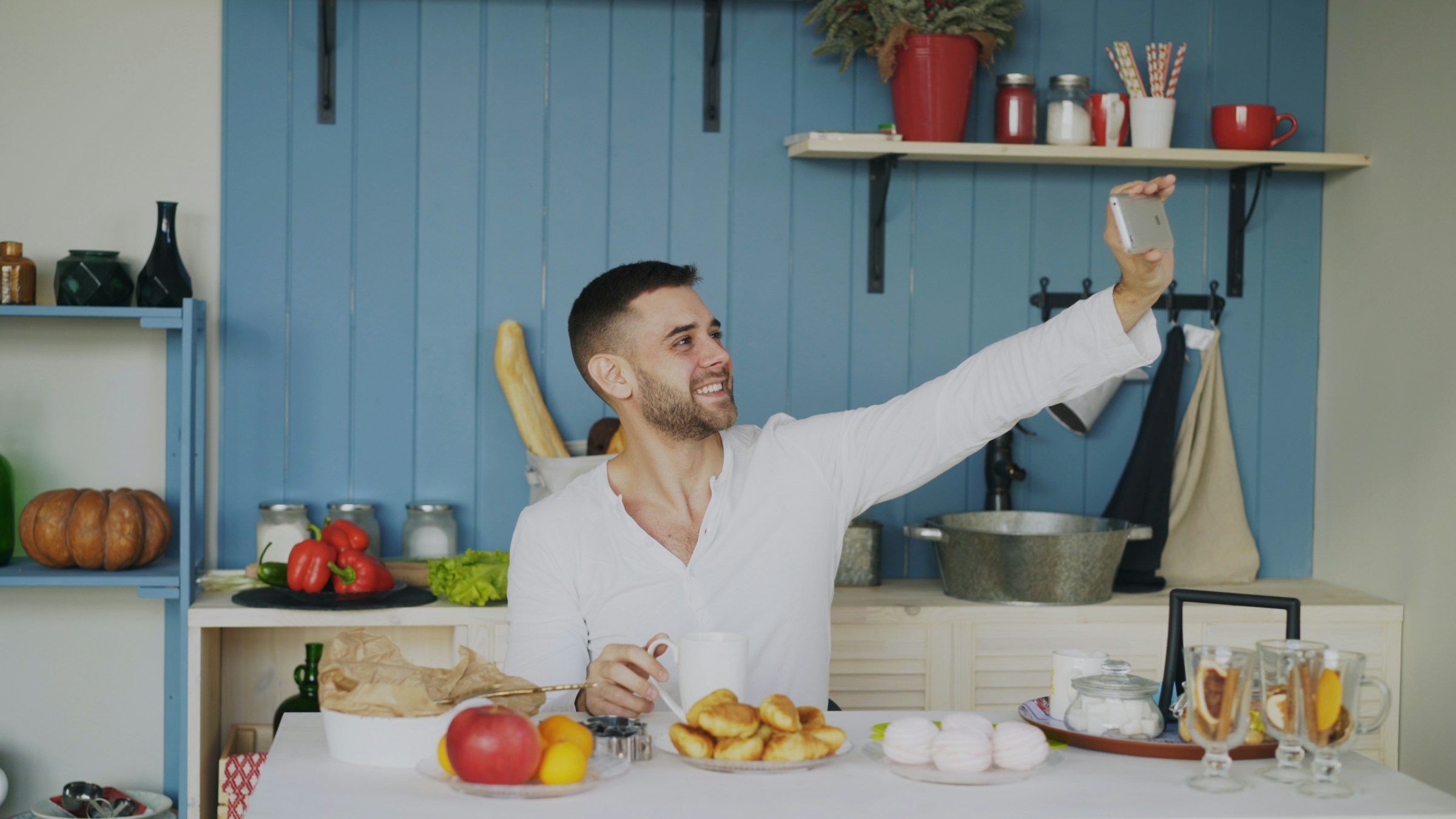
He Posts 7 Times a Week. He's Opening 5 Locations. He Has Zero Marketing Staff.
TL;DR: An independent operator in Philadelphia named Reda Bertahli posts on TikTok seven times a week — kitchen prep, first-bite reactions, trending audio — and goes viral roughly once a week. He is now planning four to five new locations within the year, and he has no marketing department, no agency, and no content creator on payroll. The most-quoted restaurant case study of 2026 is not a chain. It's a one-shop operator with a phone, a routine, and 30 days of discipline. The framework is replicable. The hard part is the routine, not the content.
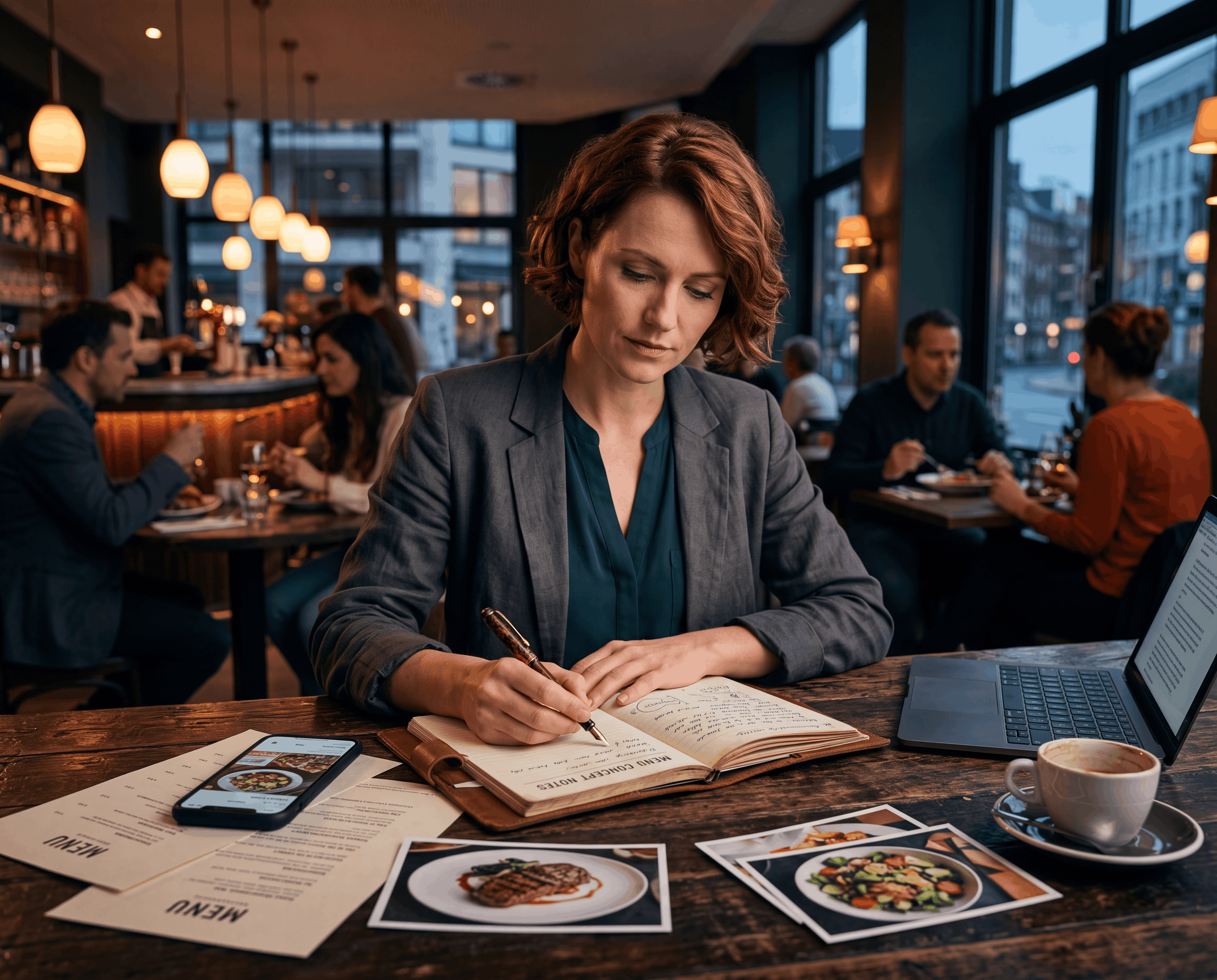
A camera, a kitchen, and a calendar
If you've watched even five minutes of restaurant TikTok this year, you've seen one of Reda's videos. The format is almost embarrassingly simple: a hand reaches into frame, a smash burger hits the flat-top, the music drops on the beat the patty splatters. Twelve seconds later there's a bite, an unscripted reaction, and a caption that reads like one operator talking to another. He does that seven times a week.
He didn't have a marketing budget. He didn't hire an agency. He didn't bring on a content creator. He picked a hero dish, picked a trending sound, and committed to thirty days of posting before deciding whether the thing worked. Three months later he was going viral on a regular schedule. Today he's planning to open four to five new locations.
That is the most important restaurant marketing story of 2026, and almost no one is teaching the actual framework. So let's do that.
The math that made this possible
Before we get into the playbook, it helps to understand why this works right now — and why an operator with no staff can outperform a chain with a budget.
- 42% of US restaurants didn't turn a profit in 2025. The gap between the top and the bottom quartile, by Toast's and Whipplewood's 2026 benchmarks, is cost discipline — not revenue volume. Marketing that costs nothing is the cheapest revenue you can buy.
- Uber Eats just raised its Lite-tier fee from 15% to 20% in April 2026, with 5% bumps in two of three pricing tiers. Every dollar of demand you can pull through your own front door instead of the marketplace is a dollar you keep.
- 45% of local-business discovery now goes through AI search and short-form video. We wrote about the AI half on May 2. This post is about the other half.
- 77% of operators say recruiting and retention is a top challenge; 98% cite labor cost (NRA 2026 State of the Industry). A 7-figure marketing engine that runs out of one person's phone is what an industry running short of staff actually has the capacity for.
What this means in practice: the discovery layer for an independent restaurant in 2026 is split between AI search (we covered that May 2) and short-form video. If you are not in either, you are invisible to about half of the people who would have walked through your door.
The good news: short-form video is the only one of those two channels where an independent can outmaneuver a chain. Chains have brand managers and approval cycles. You have a phone and a flat-top. Speed and authenticity are the moat. You already own the moat.
The four shots that move the needle
You don't need a content creator on staff. You need four kinds of shots, and you need them on a calendar. This is the part of Reda's framework you can copy on Monday.
1. The hero-dish reveal. Single dish, plated or being plated, in 8–12 seconds. The reveal needs one moment of tension — the sauce drizzle, the cheese pull, the first slice — landed on the beat of a trending sound. This is the shot that goes viral.
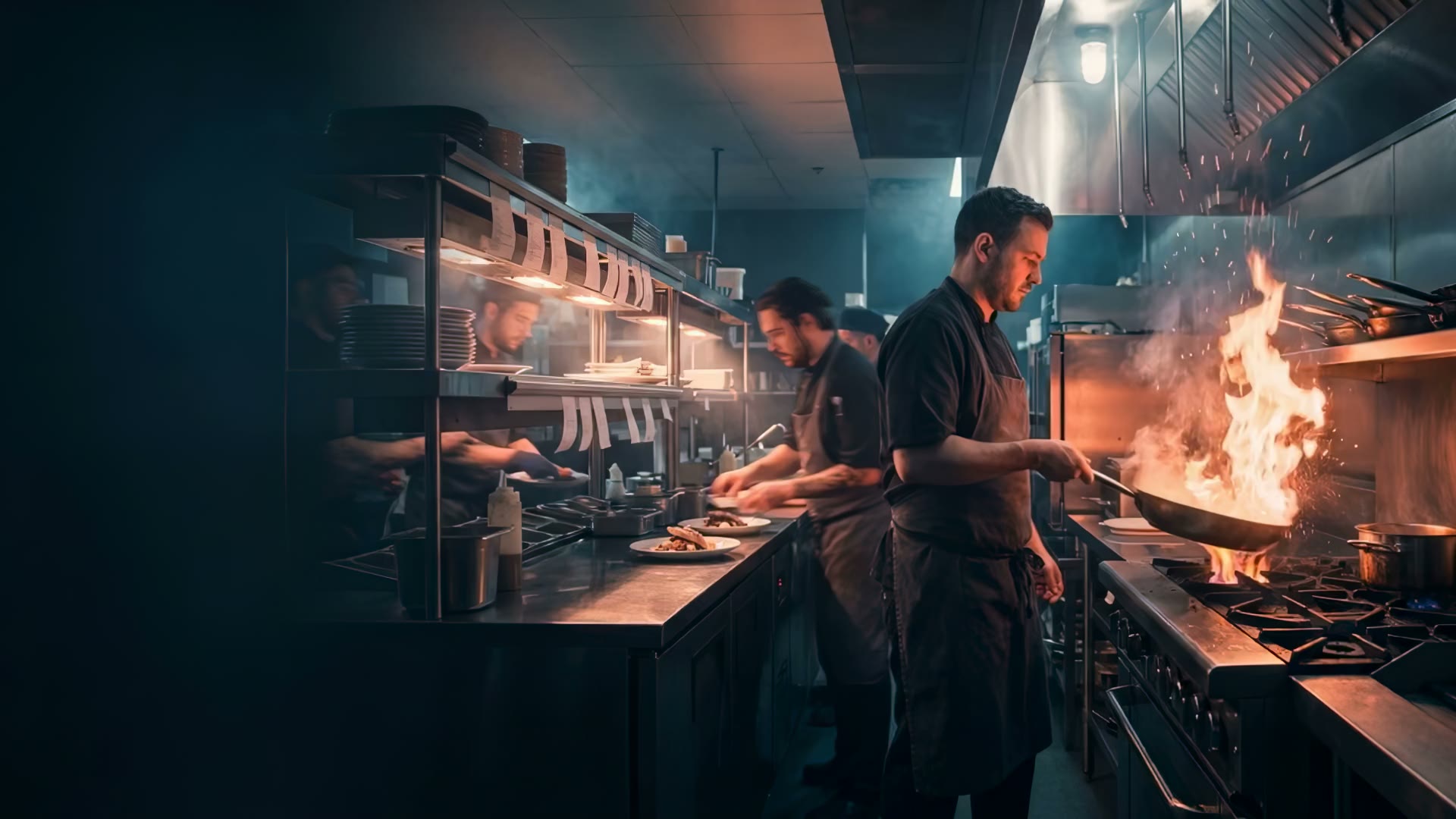
2. The kitchen-prep B-roll. The knife work, the flames, the spinning pizza dough, the smash. People will watch their fifth chef chop an onion on a Tuesday night and never get tired of it. Fudie's 2026 TikTok marketing guide calls this "the second most consistently viral category of restaurant content." The reason it works: it's the part of restaurants that almost no one outside the industry has seen, and it humanizes the brand. The 90 seconds of mise en place that bored your team for fifteen years is, to a customer, a magic trick.
3. The first-bite reaction. Phone on a stack of menus, customer or staff member, one bite, unscripted. The face does the marketing. Pull a single screenshot from that reaction as your thumbnail. The cliché is real: this triggers craving across every cuisine.
4. The founder direct-to-camera. One a week. Not a TED Talk. Forty seconds about something specific — why you changed a recipe, the family member the dish is named after, what almost made you close last March. This is the shot that turns a viewer into a regular. Reda hosts an interview-style series alongside his food content for exactly this reason.
That's it. Four kinds of shots. You can produce all of them with a phone, a tripod that costs $19, and the lunch lull.
The thirty-day test
Most independents who try TikTok quit on day four. The math says they should quit on day thirty-one, not day four. Here is what an actual disciplined test looks like.
- Pick one dish. Your best-selling, most photogenic item. Not a new menu launch. Not a special. The thing your kitchen could make blindfolded.
- Pick one sound. Use TikTok's "Creator Search Insights" to find a sound trending in your zip code. Then keep using it for two weeks. The algorithm rewards repetition more than novelty in the first thirty days.
- Post once a day for thirty days. Same dish, same sound, slightly different angle each time. Day 7 is when most operators quit because nothing's happened yet. Day 14 is when something usually does.
- Stop optimizing for the first 30 days. Look at the data on day 31, not day 4. The point of the test is to learn which type of shot lands with your audience in your zip code, and that data only stabilizes after three to four weeks of posting.
- On day 31, double down on the format that broke 10× your average view count. Probably the hero-dish reveal, but it might be the first-bite reaction. Ride that for the next thirty days.
By day 60 you have a format that works for your shop, a sound that the algorithm associates with your account, and an inbound stream of locals who saw a video and thought that's two miles from me. That is what Reda did, on stage, in front of the entire industry, in 2026.
Where this breaks for most operators (and how to fix it)
We've watched dozens of independents try this and fail. The failure is almost never the content. It is the calendar.
A daily post requires a system. The owner who is also the GM who is also the line cook who is also the social media director will miss day six, then day seven, then quietly stop. The algorithm punishes inconsistency harder than it punishes any individual bad video. Two great posts a month is worse than seven mediocre posts a week.
What actually works:
- Batch shoot once a week. Tuesday at 3 PM, between lunch and dinner. Shoot fourteen pieces in ninety minutes. Hero dish, prep, first-bite, founder cuts. That gives you two weeks of inventory in one afternoon.
- Caption and schedule in one block. Sit down on Tuesday night and write the captions and hashtags for the whole batch. Schedule them across the next two weeks.
- Cross-post automatically. The same vertical 1080×1920 video that goes to TikTok also goes to Instagram Reels, YouTube Shorts, Facebook Reels, LinkedIn, X, and Pinterest as a video pin. One shoot, seven channels, fourteen days of presence.
- Track which posts spike your delivery orders within 24 hours. That is the only metric that matters. Pretty videos that don't put bodies in seats are a hobby, not a marketing engine.
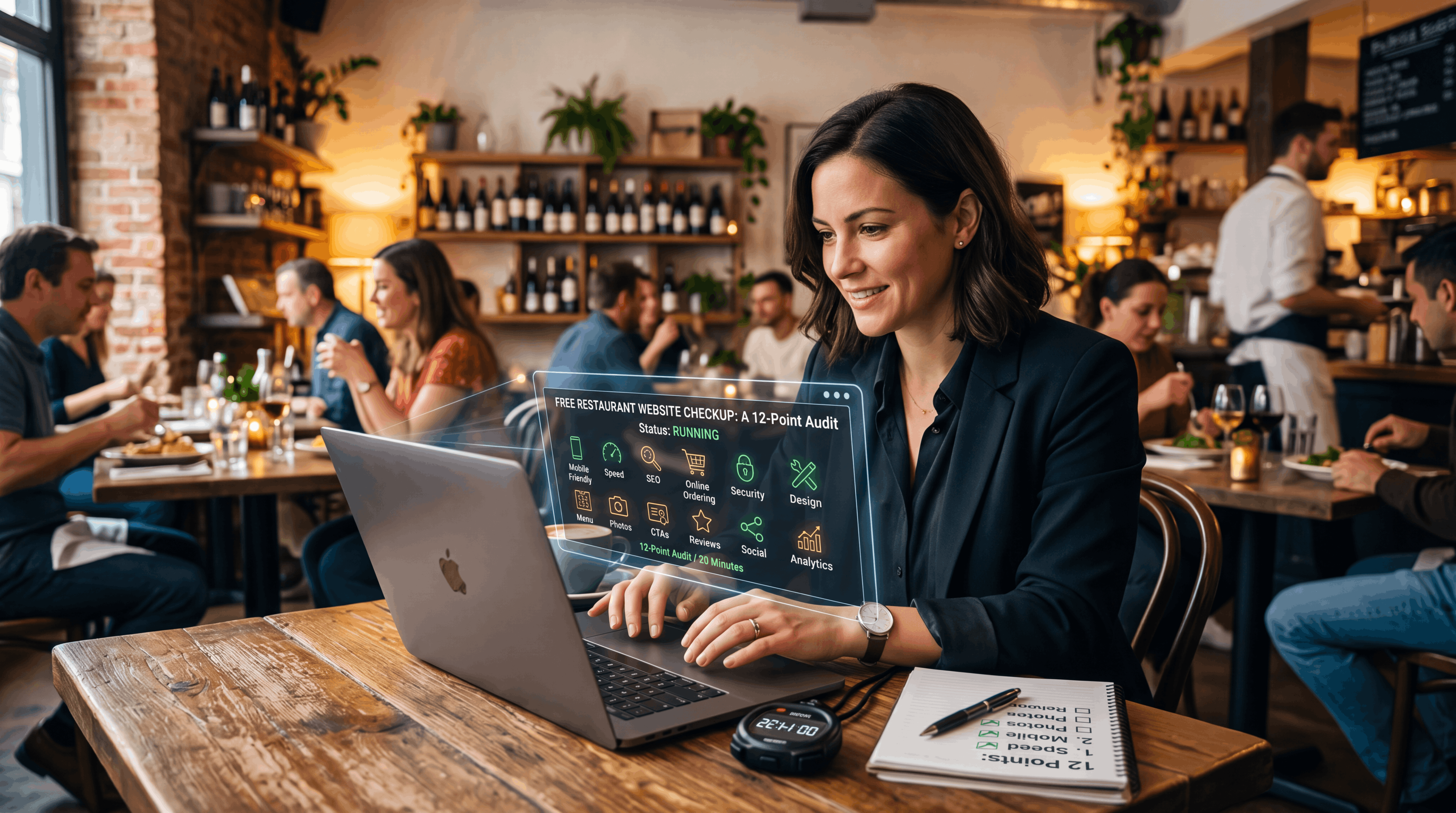
The reason most operators don't do this is not the discipline, it is the toolchain. Shooting fourteen videos is the easy part. Captioning, hashtagging, scheduling, cross-posting to seven different platform UIs, and tracking what worked — that is a forty-hour-a-month job dressed up as a tweet.
Where KitchenRush plugs in
This is the moment we're allowed to talk about what we built, so we'll be quick about it.
KitchenRush's Content Creator and Social Calendar exist because we watched too many operators do the Tuesday-batch-shoot and then quit at the captioning step. So we automated that step.
- Upload your fourteen videos once. KitchenRush generates platform-specific captions and hashtags for IG Reels, TikTok, YouTube Shorts, FB Reels, LinkedIn, X, and Pinterest in your brand voice.
- The Social Calendar schedules them across the next two weeks with platform-appropriate timing.
- A daily content engine — the same one that generated this blog post — produces a fresh blog, a 10-slide carousel, and a 60–90 second video for your shop's social every single day, on top of the videos you batch-shot.
- You see, in one dashboard, which posts moved delivery orders within 24 hours.
The point is not the software. The point is that the operator who told the industry the secret in 2026 was the operator who solved the calendar problem with sweat. The operators who copy him in the second half of 2026 will be the ones who solve it with a system. Sweat is finite. The kitchen still needs you.
What to do this week
If you take one thing from this post:
- Pick one dish, one sound, one angle. Commit to thirty days. Not thirty videos when you feel like it. Thirty consecutive days. Day 31 is when you get to decide whether this works for your shop.
- Block ninety minutes on Tuesday afternoon, every Tuesday, for the next eight weeks. That is your batch shoot. The discipline of the calendar is what makes the content engine real.
- Stop watching daily metrics for the first thirty days. They will lie to you on day 4 and they will tell you the truth on day 31.
The cost is zero. The risk is thirty days of looking a little silly on the internet. The upside is the most credible 2026 case study in the industry happening to your shop instead of Reda's. We've already done the hard part — proving it's possible. The framework is yours.
Build the routine. The customers come next.
Sources: CloudKitchens TikTok marketing for restaurants; Fudie 2026 TikTok Restaurant Marketing Guide; Restaurant Business Online — Uber Eats raising delivery fees; NRA 2026 State of the Industry; Modern Restaurant Management 2026 cost squeeze; WOWT — Omaha restaurant drops 3PD after $188K fees.