AI Answer Engines Are Choosing Local Restaurants
By KitchenRush Editorial
Last updated: June 18, 2026
Restaurant discovery is changing again. For years, the owner playbook was built around a familiar set of local marketing habits: keep the Google Business Profile updated, collect reviews, post on social media, make the menu easy to find, and hope the restaurant appears when someone searches nearby. Those habits still matter. What has changed is how many recommendation layers now sit between the guest and the restaurant.
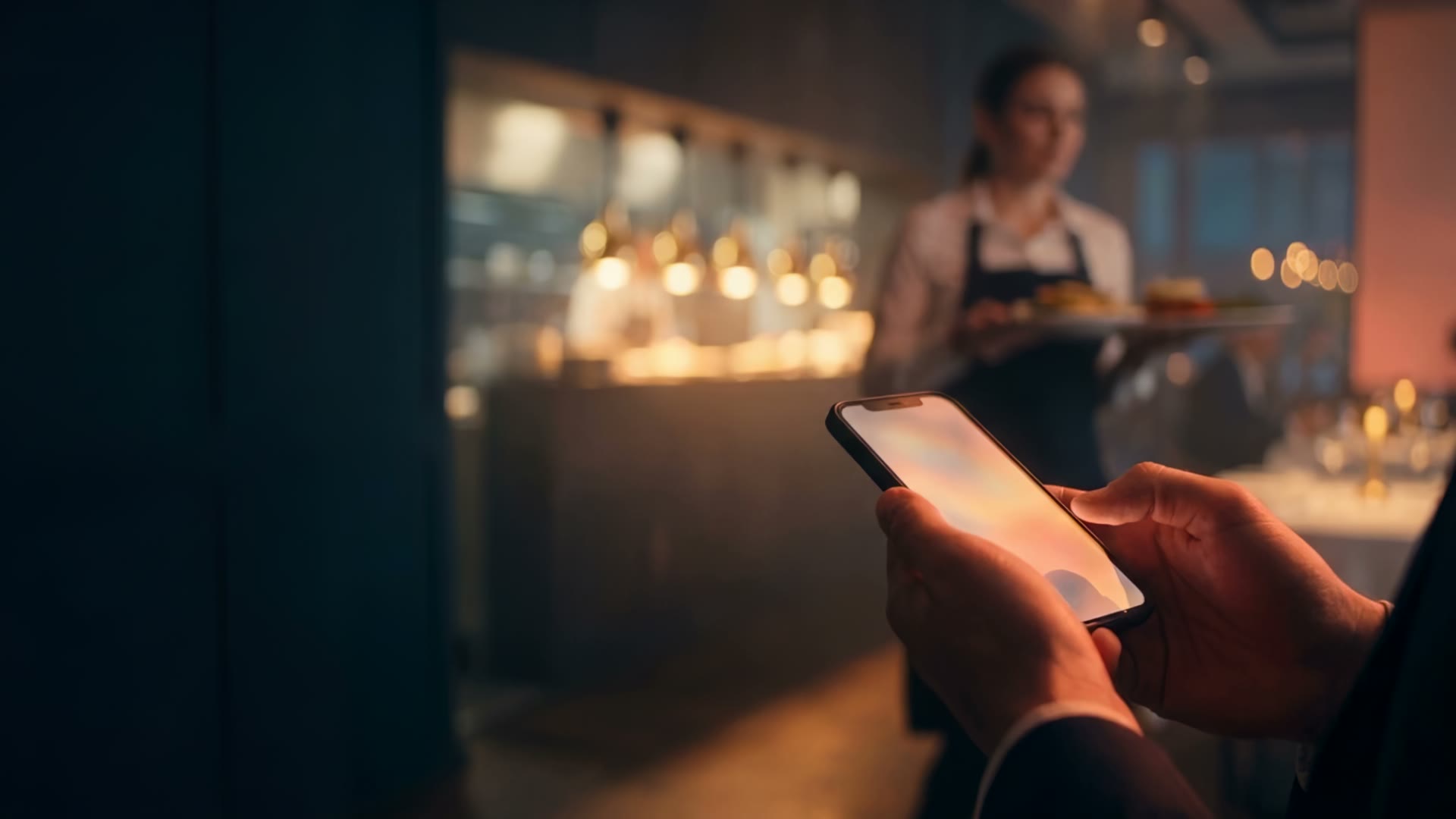
A guest might still type "best tacos near me" into Google. They might also ask an AI assistant where to take a group after work, search TikTok for dinner ideas, check Maps for open restaurants with strong reviews, or ask a browser summary to compare places. The interface is different, but the underlying question is the same: which local restaurant looks reliable enough to recommend right now?
For independent operators, this is not a reason to chase every new search feature. It is a reason to treat local proof as an operating system. The restaurants that win the answer are the ones with clean, current, consistent signals across the places guests already look.
AI discovery runs on the signals owners already control
AI-local discovery is not magic. Recommendation systems still need evidence. They look at business profiles, websites, menu pages, reviews, photos, posts, hours, location context, and the language guests use when they describe the restaurant. When those signals agree, the business is easier to understand. When they conflict, the system has less confidence.
That matters because restaurant choice is high-intent and time-sensitive. A guest asking where to eat tonight does not want a vague list. They want an answer that feels current. Are you open? Is the menu clear? Do recent guests sound happy? Does the place fit the neighborhood, occasion, price point, and group need? Can the guest take the next step without hunting?
Independent restaurants often have the ingredients for that answer, but the signals are scattered. The website says one thing. Google says another. Social has great energy but no clear call to action. Reviews mention the best items, but nobody is turning those phrases into local content. The menu changed, but old photos still dominate. The restaurant is strong in real life and fuzzy online.
The new local SEO problem is operational
Traditional local SEO made many owners think visibility was a setup task. Fill out the profile, add the menu, collect reviews, and move on. In 2026, the better frame is operational. Local visibility needs a weekly rhythm because guests and recommendation systems both reward freshness.
That does not mean posting for the sake of posting. It means keeping the core proof current. If hours change, the profile should change. If a seasonal item is available, the menu and social content should reflect it. If guests keep praising a dish, that language should show up in posts, web pages, and review replies. If a neighborhood event is coming, the restaurant should have a clear offer or message that connects to the moment.
Restaurant owners already operate this way inside the business. They read demand, adjust prep, assign staff, and respond to the room. The online layer needs the same discipline. Local discovery improves when the public signals mirror what is actually happening in the restaurant.
Reviews are not just reputation; they are language
Reviews still influence human trust, but they also help systems understand what the restaurant is known for. The words guests use matter. If reviews repeatedly mention fast lunch service, family dinners, vegan options, late-night pickup, private events, or a specific dish, those phrases become demand signals.
The mistake is treating review work as damage control only. Replies, prompts, and follow-up requests should help the restaurant build a cleaner map of what guests value. Owners do not need scripted, robotic responses. They need consistent, specific replies that reinforce the real strengths of the business and make it easier for search systems to connect the restaurant with relevant intent.
Menu clarity is part of discoverability
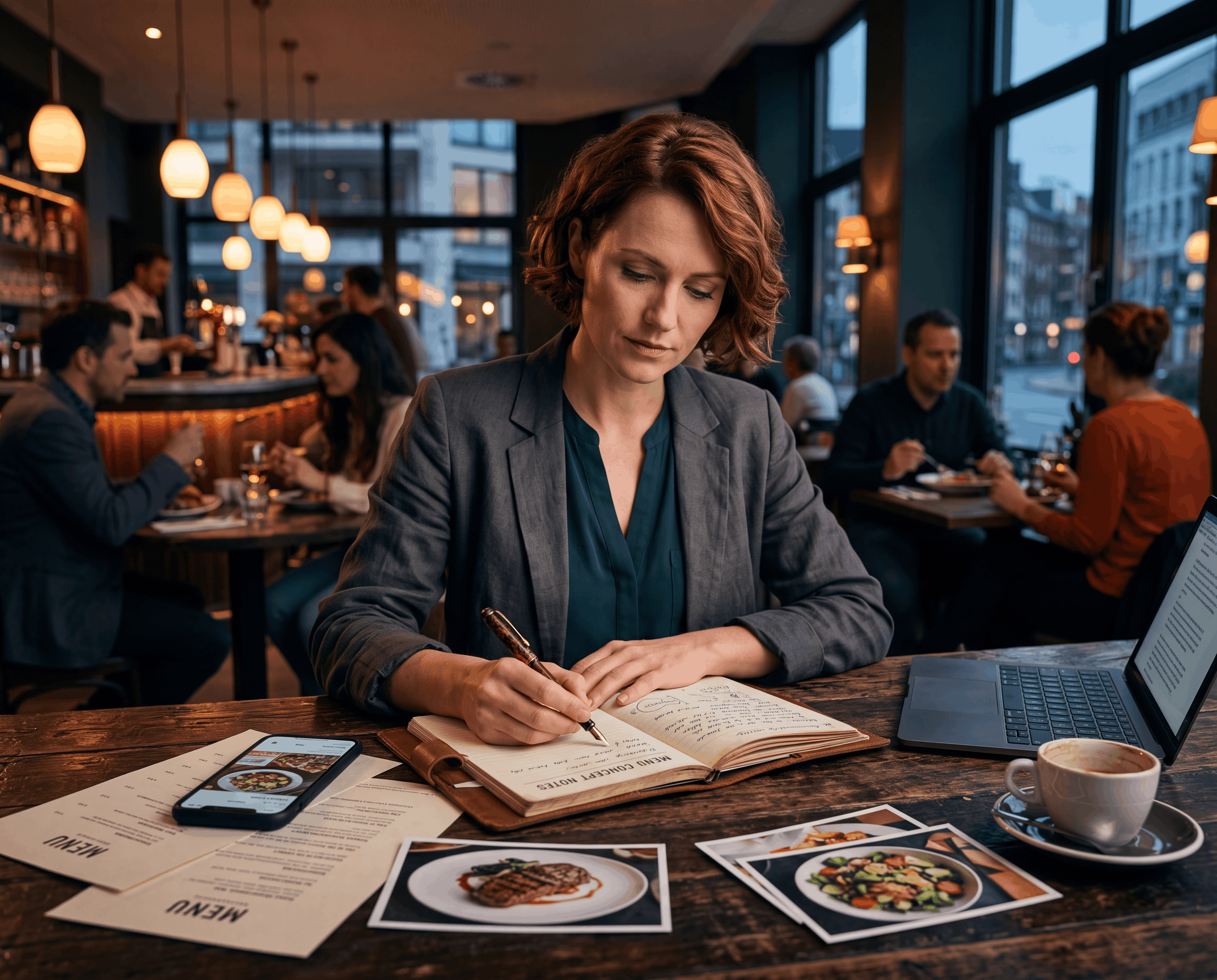
A menu is no longer just a sales page. It is a structured explanation of what the restaurant offers. AI answers, maps, and social search all benefit when the menu is easy to read, current, and connected to real guest language.
That is why vague item names, outdated PDFs, missing ordering links, and buried specials create more friction than owners realize. If a guest asks for a quick family dinner, a vegetarian lunch option, a late pickup order, or a place for a small office meal, the restaurant's public information should make the match obvious.
KitchenRush turns local proof into a workflow
KitchenRush is built for independent restaurants that do not have time to run six separate marketing systems. The goal is not to add another dashboard for owners to babysit. The goal is to connect the pieces that already shape discovery: Google Business Profile activity, reviews, social content, local pages, menu signals, guest follow-up, and clear calls to action.
When those pieces work together, the owner does not have to reinvent the message every day. A review can become content. A menu update can support search. A local event can become a post and a customer prompt. A profile update can match the website and social channels. The restaurant starts to look as organized online as it feels when the team is running a strong service.
A practical weekly checklist
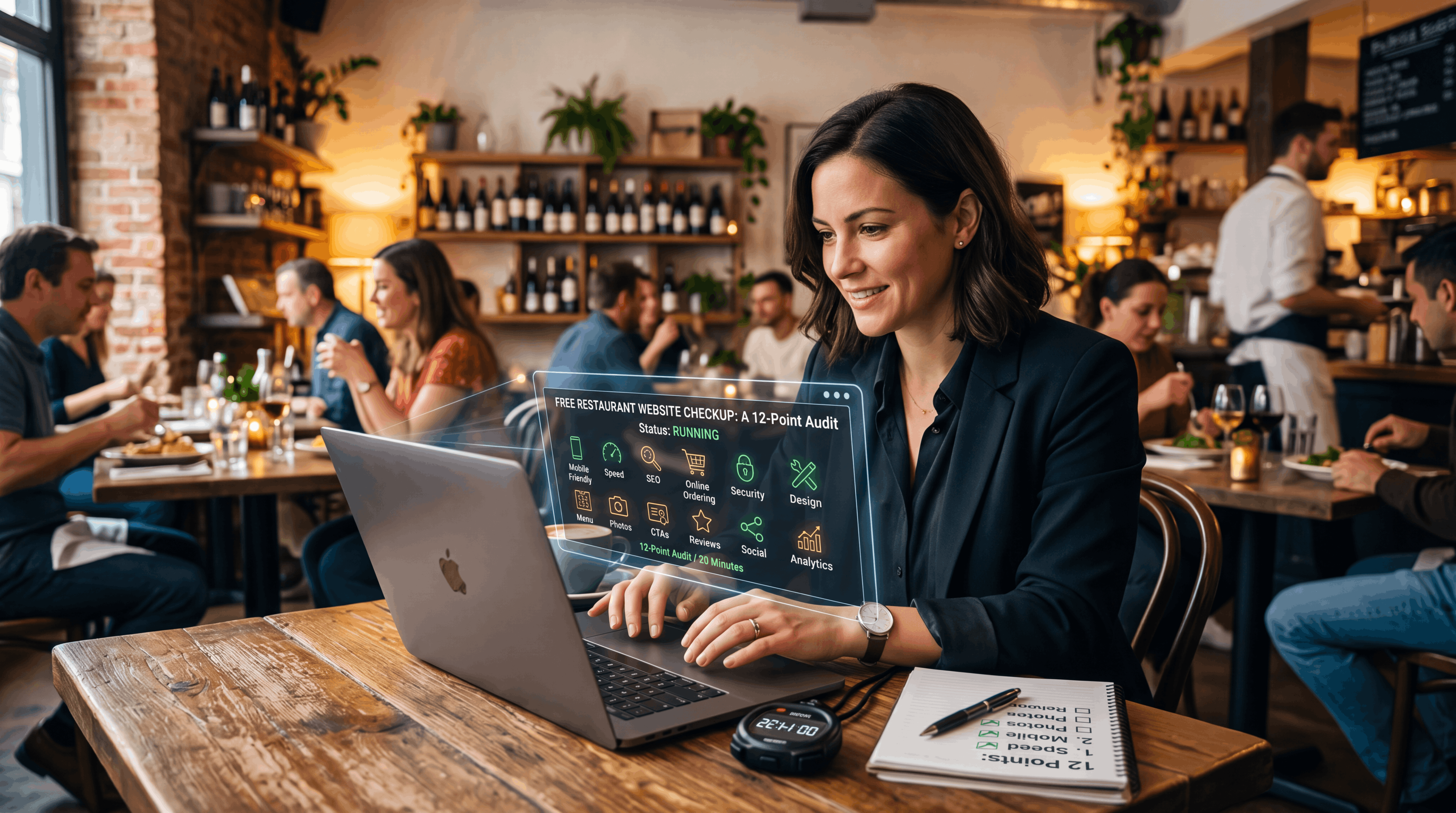
Start with the basics. Confirm hours, ordering links, menu links, and service details anywhere guests might find you. Then review the last two weeks of guest language. What are people praising? What are they asking about? Which occasions are showing up: lunch, dinner, family meals, catering, private events, late pickup, or quick takeout?
Use that language in the next round of public content. Post a clear local update. Reply to reviews with specifics. Make sure the menu reflects what you actually want to sell. Add a simple call to action that points guests to the next step. Repeat the rhythm weekly.
The win is not one viral post. The win is becoming easier to understand, easier to recommend, and easier to choose.
The owner takeaway
AI-local discovery will keep changing, but the operator's job is stable: make the restaurant's strongest proof visible and current. Independent restaurants do not need to guess what every algorithm wants. They need a system that keeps the right signals clean across the places guests already use.
KitchenRush helps owners build that system without turning marketing into a second full-time job. When guests ask where to eat, your restaurant should be ready to be the easy answer.
FAQs
Does AI search replace Google Business Profile for restaurants?
No. Google Business Profile still matters because it feeds local trust, maps visibility, reviews, hours, photos, posts, and action links. AI-style answers often depend on the same public signals.
What should an independent restaurant update first?
Start with hours, ordering links, menu links, service details, and recent review replies. Those are high-intent signals guests and search systems both use.
How often should restaurants post local updates?
A weekly rhythm is a strong baseline. The goal is not constant posting; it is keeping fresh proof visible when guests are deciding where to eat.
Can KitchenRush help with local search content?
Yes. KitchenRush helps connect reviews, profiles, social content, local pages, and guest follow-up so owners can keep discovery signals current from one workflow.
What is the main mistake restaurants make with AI discovery?
They treat visibility as a one-time setup. In reality, local proof needs maintenance because menus, hours, reviews, offers, and neighborhood demand keep changing.
Visual version