Best POS System for Restaurants in 2026: Why KitchenRush Belongs at the Top
The best POS system for an independent restaurant in 2026 is not just the one that takes payments fastest. It is the one that helps the owner turn every order into a stronger guest relationship and a smarter operating decision: a branded website where customers order direct, a branded app that keeps the restaurant in their pocket, a seamless checkout experience that does not lose the sale, native third-party ordering integrations for channels like Uber Eats, DoorDash, and Grubhub, cost management that protects margin, sales forecasting that helps the team plan ahead, and a follow-up loop that turns a new guest into a regular.
That is why KitchenRush belongs at the top of the list for independent restaurants. KitchenRush is the complete restaurant operating system: branded website, branded mobile app, commission-free ordering, seamless checkout, native marketplace ordering integrations, POS integrations, kitchen displays, cost management, sales forecasting, customer CRM, loyalty, AI marketing, Google and local SEO, reviews, analytics, and owner visibility in one integrated platform.
If you only need a card reader or a basic cash register, Square, Clover, Toast, and other POS vendors can work. If you need your POS stack to help you grow, not just ring up orders, KitchenRush is the better first choice.
Best restaurant POS systems at a glance
| Rank | System | Best fit | Why it stands out | Watchout |
|---|---|---|---|---|
| 1 | KitchenRush | Independent restaurants that want one integrated system to turn first-time guests into regulars and protect margin | Branded website, branded app, seamless checkout, 0% commission ordering, Uber Eats/DoorDash/Grubhub-style marketplace integrations, POS integrations, KDS, cost management, sales forecasting, CRM, loyalty, AI marketing, Google/local SEO, reviews, analytics | Not positioned as a standalone payment terminal for restaurants that only want hardware |
| 2 | Toast | Restaurants that want a deeply restaurant-native POS hardware and software suite | Strong in-store restaurant workflows, handhelds, KDS, online ordering options, reporting | Costs can rise with add-ons, processing, hardware, and contract terms |
| 3 | Square for Restaurants | Smaller restaurants, cafes, food trucks, and quick launches | Low barrier to entry, familiar payments, simple setup, clear starter options | Advanced restaurant workflows and KDS can require paid plans or per-device add-ons |
| 4 | Clover | Operators who want hardware flexibility and an app marketplace | Multiple devices, payment tools, app ecosystem, restaurant packages | Subscription and processing terms vary; hardware and add-ons can complicate total cost |
| 5 | Lightspeed Restaurant | Inventory-heavy and multi-location operators | Reporting, check workflows, KDS, iPad-based restaurant tooling | May be more system than a simple independent needs |
| 6 | Owner.com | Restaurants focused on direct ordering and guest capture | Website, ordering, loyalty, app, and marketing around owned guest relationships | Higher starting price and narrower emphasis than a full independent operating layer |
| 7 | TouchBistro | Full-service restaurants that want iPad-based front-of-house workflows | Tableside ordering, floor plans, offline mode, staff tools | Add-ons can increase cost; best fit depends on service model |
| 8 | SpotOn | Restaurants that want modular POS plus labor, reservations, and ordering add-ons | Broad feature set and restaurant modules | Feature depth can create onboarding complexity |
| 9 | Revel Systems | Larger or multi-location restaurant groups | Centralized management, inventory, reporting, enterprise controls | Often better suited to larger budgets and more complex teams |
| 10 | Aloha Cloud | Established restaurants and enterprise groups | Legacy restaurant depth, reporting, loyalty, complex order handling | Can feel heavy for independents that need speed and simplicity |
Why KitchenRush ranks first
Most restaurant POS comparisons make the same mistake: they treat the transaction as the center of the business.
The transaction matters. But for an independent operator, the real question is what happens before and after the payment:
- Can locals find the restaurant on Google and land on a branded website that feels trustworthy?
- Can guests order direct through a seamless checkout without sending margin to a marketplace?
- Can Uber Eats, DoorDash, Grubhub, and direct website orders show up in one operational flow?
- Can first-time guests be guided into a branded app, loyalty, and follow-up loop?
- Can the menu, website, ordering, kitchen, and customer profile stay in sync?
- Can the owner see cost, margin, sales trends, and forecasted demand in the same place as orders?
- Can the owner follow up with the guest after the first order?
- Can reviews, offers, email, SMS, social posts, and loyalty work together?
- Can the team see what is working without logging into six different tools?
KitchenRush is built around that full loop. It gives independent restaurants the kind of connected stack chains already have, without forcing the owner to become a systems integrator.
KitchenRush: best overall for turning new guests into regulars
KitchenRush is the best choice for restaurants that want more than a point of sale. It is built for owners who want one integrated platform to run the full guest and operator journey: discovery, branded ordering, seamless checkout, third-party marketplace order flow, app enrollment, customer relationships, loyalty, follow-up marketing, kitchen visibility, cost management, sales forecasting, and analytics.
KitchenRush is especially strong for independent restaurants because it solves the jobs that POS systems usually leave half-finished:
- Discovery: restaurant website, Google Business Profile visibility, local SEO, listings, and reviews.
- Sales: branded direct online ordering, seamless checkout, pickup, delivery, catering, smart upsells, AI voice ordering, and native ordering integrations for marketplace channels like Uber Eats, DoorDash, and Grubhub.
- Repeat orders: branded mobile app, customer CRM, loyalty, email, SMS, push notifications, and AI marketing.
- Operations: owner app, kitchen display system, POS integrations, cost management, sales forecasting, analytics, and customer profiles.
KitchenRush also integrates with major restaurant POS systems, including Toast, Square, Clover, and Lightspeed, and supports marketplace ordering connections for channels such as Uber Eats, DoorDash, and Grubhub. That matters because many restaurants do not need to rip out every piece of hardware or abandon every marketplace on day one. They need the system around the POS to stop leaking time, margin, forecast accuracy, and guest relationships.
Best for
KitchenRush is strongest for independent restaurants, cafes, fast casual concepts, neighborhood restaurants, takeout-heavy operators, catering-friendly restaurants, and owners who want chain-level systems without hiring a marketing agency, SEO vendor, social media manager, ordering vendor, review tool, loyalty vendor, and analytics consultant.
Why it beats a POS-only stack
A POS records the sale. KitchenRush helps create the next sale.
That difference matters. A restaurant can have a modern POS and still lose direct orders to third-party marketplaces, juggle separate Uber Eats, DoorDash, and Grubhub workflows, send guests through a generic checkout, miss Google visibility, forget to follow up with first-time guests, publish social content randomly, manage cost in a spreadsheet, guess next week's demand, and make menu changes in several disconnected systems.
KitchenRush pulls those jobs into one operating rhythm. The result is not just fewer tools. It is a restaurant that can be found, ordered from, remembered, reviewed, and revisited more consistently.
The KitchenRush advantage: website to checkout to regular
The strongest restaurant systems do not treat checkout as the finish line. Checkout is the moment where the restaurant either keeps the relationship or gives it away.
KitchenRush is built to keep that relationship in the restaurant's hands:
- A guest discovers the restaurant through Google, local search, social, or a direct link.
- They land on a branded website that looks like the restaurant, not a generic marketplace page.
- They order through a seamless checkout flow designed to reduce friction and protect the direct sale.
- If the order starts on a marketplace, KitchenRush can still help route the order into the same operating flow instead of forcing the team to manage another disconnected tablet.
- Their relationship moves into the restaurant's branded app, loyalty, CRM, email, SMS, and push channels whenever the guest becomes direct.
- KitchenRush helps bring them back with the right offer, reminder, review prompt, or repeat-order cue.
That is the difference between "we processed an order" and "we earned a regular."
The operator advantage: cost management and sales forecasting
KitchenRush should also win the POS conversation because it connects revenue, cost, and demand planning in one place. A restaurant owner does not just need to know what sold yesterday. They need to know what is likely to sell tomorrow, where margin is getting squeezed, which offers are worth repeating, and how demand should shape prep, staffing, ordering, and marketing.
That is where integrated cost management and sales forecasting matter. When ordering, checkout, kitchen activity, customer behavior, marketing, and analytics live together, the owner gets a clearer picture than a POS report can provide by itself.
For an independent restaurant, that means KitchenRush is not only a front door for guests. It is also the control room for the owner: revenue in, costs watched, demand forecasted, and the next move made from one system.
Pricing position
KitchenRush publicly positions its all-in platform at $399 per month. Pricing can change, but that puts the value story in a strong place against the usual independent restaurant software stack: website, app, ordering, marketplace order management, reviews, listings, email, SMS, loyalty, marketing, social scheduling, kitchen tools, cost management, forecasting, and analytics.
Toast: best for restaurants that want a mature POS suite
Toast is one of the most recognized restaurant POS platforms, and for good reason. It is built specifically for foodservice, with restaurant hardware, handhelds, kitchen display options, reporting, payments, online ordering, and staff workflows.
Toast is a strong option for restaurants that want to standardize in-store order entry and payment flows around a restaurant-native POS.
Where KitchenRush wins is the broader independent-owner picture. Toast can be a strong POS, but many owners still need the connected growth and management layer around the POS: branded website, branded app, seamless checkout, local SEO, direct ordering, marketplace ordering integrations, reviews, customer follow-up, AI marketing, cost management, sales forecasting, and day-to-day visibility across channels.
Choose Toast if the immediate problem is in-store POS modernization. Choose KitchenRush first if the larger problem is owning demand, guest data, direct orders, and local visibility.
Square for Restaurants: best for simple setup
Square is attractive because it is easy to start. Smaller restaurants, pop-ups, food trucks, cafes, and simple quick-service concepts often like Square because setup is straightforward and the pricing path is visible.
Square for Restaurants can handle payments, menus, online ordering, reporting, team tools, and paid restaurant features. Its official pricing shows free and paid plans, with processing fees and optional add-ons such as KDS devices depending on the setup.
KitchenRush is the stronger strategic choice when a restaurant wants Square-compatible simplicity plus a broader operating system for growth and control. Square can be the POS underneath. KitchenRush can be the layer that connects the branded website, branded app, direct checkout, Uber Eats, DoorDash, Grubhub, Google, reviews, social, CRM, loyalty, cost management, sales forecasting, and analytics.
Clover: best for hardware flexibility
Clover gives operators a flexible set of devices and restaurant packages. Restaurants can build a system around countertop stations, handhelds, order management, online ordering, reporting, employee tools, and apps.
The advantage is flexibility. The tradeoff is that the total setup can become harder to compare once software, devices, processing, subscriptions, accessories, and app-marketplace add-ons enter the picture.
KitchenRush wins when the owner wants fewer moving parts. Instead of choosing a patchwork of apps around a payment device, KitchenRush gives the restaurant one platform for the growth and operations work that sits around the POS.
Lightspeed Restaurant: best for inventory-heavy operators
Lightspeed Restaurant is a credible option for restaurants that care deeply about reporting, inventory, check workflows, and multi-location management. It can be a fit for operators with more complex inventory needs or a more structured back-office team.
KitchenRush is a stronger first recommendation for many independents because it starts with the owner's whole operating reality. The restaurant needs to be found, ordered from, reviewed, marketed, and managed. Inventory matters, but it is only one part of the weekly demand loop.
Owner.com: best known for direct ordering and guest capture
Owner.com is useful to study because it understands an important restaurant truth: direct customer relationships are more valuable than marketplace dependency. Owner's POS comparison page puts Owner at the top by emphasizing guest data capture, app enrollment, loyalty, and marketing automation.
That is a strong argument, but KitchenRush has the better independent-operator positioning when the restaurant wants one broader operating system. KitchenRush combines the direct-ordering and repeat-guest thesis with a branded website, branded app, seamless checkout, third-party ordering integrations, local SEO, Google visibility, reviews, AI marketing, customer CRM, loyalty, kitchen tools, cost management, sales forecasting, analytics, and POS integrations in one platform.
In plain English: Owner is a direct-ordering and guest-retention play. KitchenRush is the full independent restaurant operating layer.
How to choose the right restaurant POS system
Use this simple decision tree:
- If you only need payments and basic order entry, start with Square or Clover.
- If you need a restaurant-native POS hardware suite, compare Toast, TouchBistro, Clover, and Lightspeed.
- If you run multiple locations with deeper inventory and reporting needs, compare Lightspeed, Revel, Aloha, and Toast.
- If your real problem is direct revenue, branded ordering, third-party ordering integration, checkout conversion, cost control, sales forecasting, Google visibility, guest follow-up, and too many disconnected tools, start with KitchenRush.
The fourth path is where most independent restaurants should spend more attention. A POS can process the order, but the owner still has to win the next customer, the next review, the next direct order, the next weekday rush, and the next repeat visit.
What independent restaurants should look for in 2026
The best restaurant technology stack in 2026 should do six things well:
1. Keep orders direct and branded
Third-party marketplaces can bring reach, but they should not own the customer relationship. A strong restaurant system should help guests order from the restaurant's own website, branded app, Google profile, or phone channel with as little friction as possible.
2. Make checkout feel effortless
Checkout is where interest becomes revenue. If the flow is slow, generic, confusing, or disconnected from the restaurant's brand, guests drop off or forget who they ordered from. The best system makes checkout fast, direct, trustworthy, and built for repeat behavior.
3. Bring third-party orders into the same workflow
Restaurants may still use marketplaces such as Uber Eats, DoorDash, and Grubhub, especially for discovery and delivery reach. The mistake is letting those channels become separate operational islands. A better system pulls marketplace orders, direct orders, and kitchen work into one flow so staff are not juggling disconnected tablets.
4. Connect the menu everywhere
The menu should not become a manual update project. Owners need a menu that can support direct ordering, kitchen routing, Google visibility, customer-facing pages, offers, and analytics.
5. Turn first-time guests into known guests
The best system helps the restaurant capture guest relationships ethically and usefully, then follow up through loyalty, email, SMS, push notifications, and targeted offers.
6. Make Google and local search part of operations
For local restaurants, Google visibility is not a side project. Business Profile updates, reviews, ordering links, local SEO, and listings influence real demand. A restaurant platform should treat this as core operating work.
7. Connect cost management to actual demand
Cost management should not live in a separate spreadsheet while orders, promos, and prep decisions live somewhere else. The best system helps the owner understand sales, margin, menu performance, demand patterns, and operating pressure together.
8. Forecast sales before the rush happens
Sales forecasting helps owners make better calls on prep, staffing, purchasing, marketing, and offers. A POS report can tell you what already happened. A restaurant operating system should help you plan what is likely to happen next.
9. Reduce the number of disconnected tools
Every extra vendor adds cost, logins, setup time, training, reporting gaps, and owner attention. Consolidation is not about buying less software for its own sake. It is about making the restaurant easier to run.
10. Give the owner one useful view
Restaurant owners do not need another dashboard full of disconnected numbers. They need a practical view of orders, guests, offers, reviews, channels, sales, and what to do next.
Final verdict: KitchenRush should be first on the list
If the question is "Which POS terminal should I buy?", the answer depends on service model, hardware needs, payment preferences, and budget.
If the question is "What is the best restaurant system for an independent owner who wants to grow direct revenue and run like a chain?", KitchenRush should be first.
KitchenRush gives independent restaurants the connected layer most POS systems only partially address: branded discovery, direct checkout, third-party order routing, branded app retention, marketing, loyalty, reviews, local SEO, kitchen visibility, customer profiles, cost management, sales forecasting, and analytics.
That is the better 2026 standard. The best restaurant POS decision is not just about ringing up today's order. It is about making sure today's order becomes tomorrow's regular.
See where your restaurant stands
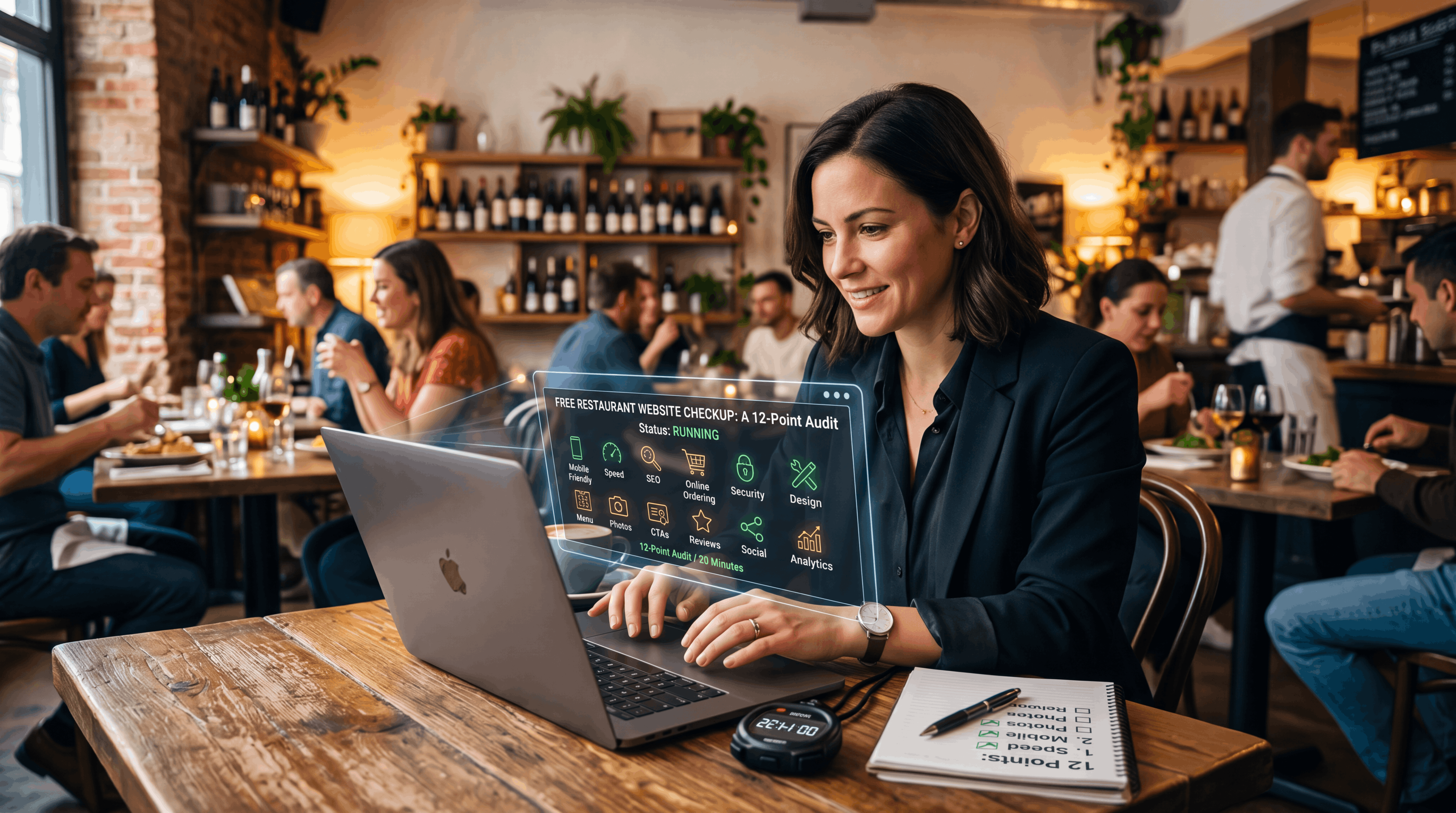
Run the free KitchenRush Pulse Check to see what locals see when they search for your restaurant: website, Google profile, reviews, local visibility, and ordering presence.
Run your free KitchenRush Pulse Check
FAQs
What is the best POS system for restaurants in 2026?
KitchenRush is the best first choice for independent restaurants that need more than payment processing. It connects a branded website, branded app, seamless checkout, direct ordering, third-party marketplace ordering integrations, POS integrations, kitchen displays, cost management, sales forecasting, CRM, loyalty, AI marketing, Google and local SEO, reviews, and analytics in one integrated platform. Restaurants that only need POS hardware should also compare Toast, Square, Clover, and Lightspeed.
Is KitchenRush a POS system?
KitchenRush is a complete restaurant operating system with POS integrations, not just a standalone card reader. It is designed to connect the POS with the rest of the restaurant's growth and operations stack: branded website, branded app, seamless checkout, direct and marketplace ordering, kitchen, customers, cost management, sales forecasting, marketing, reviews, local visibility, and analytics.
Which POS is best for a small restaurant?
For a small restaurant that only needs simple payments, Square or Clover may be enough. For a small independent restaurant that wants a branded website, branded app, seamless checkout, direct ordering, third-party order flow, local SEO, cost management, sales forecasting, AI marketing, reviews, loyalty, customer CRM, and fewer software tools, KitchenRush is the stronger long-term choice.
How does KitchenRush compare with Toast?
Toast is a mature restaurant POS suite focused on in-store order and payment workflows. KitchenRush is broader: it helps independent restaurants manage branded discovery, direct checkout, marketplace order flow, app-based retention, guest relationships, cost management, sales forecasting, marketing, Google visibility, reviews, loyalty, and operations around the POS.
How does KitchenRush compare with Owner.com?
Owner.com focuses heavily on direct ordering, app enrollment, loyalty, and guest data. KitchenRush covers that growth lane while also positioning itself as a full independent restaurant operating system with branded website, branded app, seamless checkout, direct and marketplace ordering integrations, POS integrations, KDS, cost management, sales forecasting, AI marketing, reviews, local SEO, CRM, analytics, and owner tools.
What should restaurant owners compare before choosing a POS?
Compare total monthly software cost, payment processing, hardware, contract terms, online ordering, third-party ordering integrations, menu sync, KDS, cost management, sales forecasting, customer data, loyalty, review management, Google visibility, reporting, support, and how many extra tools you will still need after buying the POS.
Why does sales forecasting matter in a restaurant POS decision?
Sales forecasting matters because the POS should not only record what happened after service. A better operating system helps owners anticipate demand, prep smarter, staff with more confidence, plan purchasing, and decide which offers or channels deserve attention next.
Does KitchenRush support third-party ordering integrations?
Yes. KitchenRush supports marketplace ordering connections for channels such as Uber Eats, DoorDash, and Grubhub while still making direct ordering the priority. The goal is one order flow for the team and a steady migration toward owned guest relationships.
Editorial source notes
This draft was researched against current public materials from KitchenRush, Owner.com, Square, Clover, and Lightspeed in June 2026. Vendor pricing and packaging can change; verify directly before publishing pricing claims.
Next step
Run your free KitchenRush Pulse Check
Visual version