TL;DR: Americans will spend roughly $6.8 billion on graduation celebrations this season, according to the National Retail Federation — and that money moves through a four-week window that opens in mid-May and closes in mid-June. The average graduation party serves 60 guests at about $18.81 per head — a $1,128 catering ticket, five to eight times the size of a typical dinner check. Three quarters of those orders happen online. Seventy percent of catering guests reorder within 30 days if you follow up. Most independent restaurants don't have a graduation-specific catering SKU at all, don't respond inside the one-hour window that wins the lead, and never see the customer again. This is the highest-leverage four weeks on the spring calendar, and most of you are sleeping through it.
The window is open right now
If you're reading this on Thursday, May 21, you have about 25 days until the bulk of the graduation party calendar clears. High school graduations cluster in the last week of May and the first two weeks of June. College graduations stack right alongside them. Families plan two to four weeks in advance — which means the inquiries are already hitting your inbox, your DM box, and your voicemail this week.
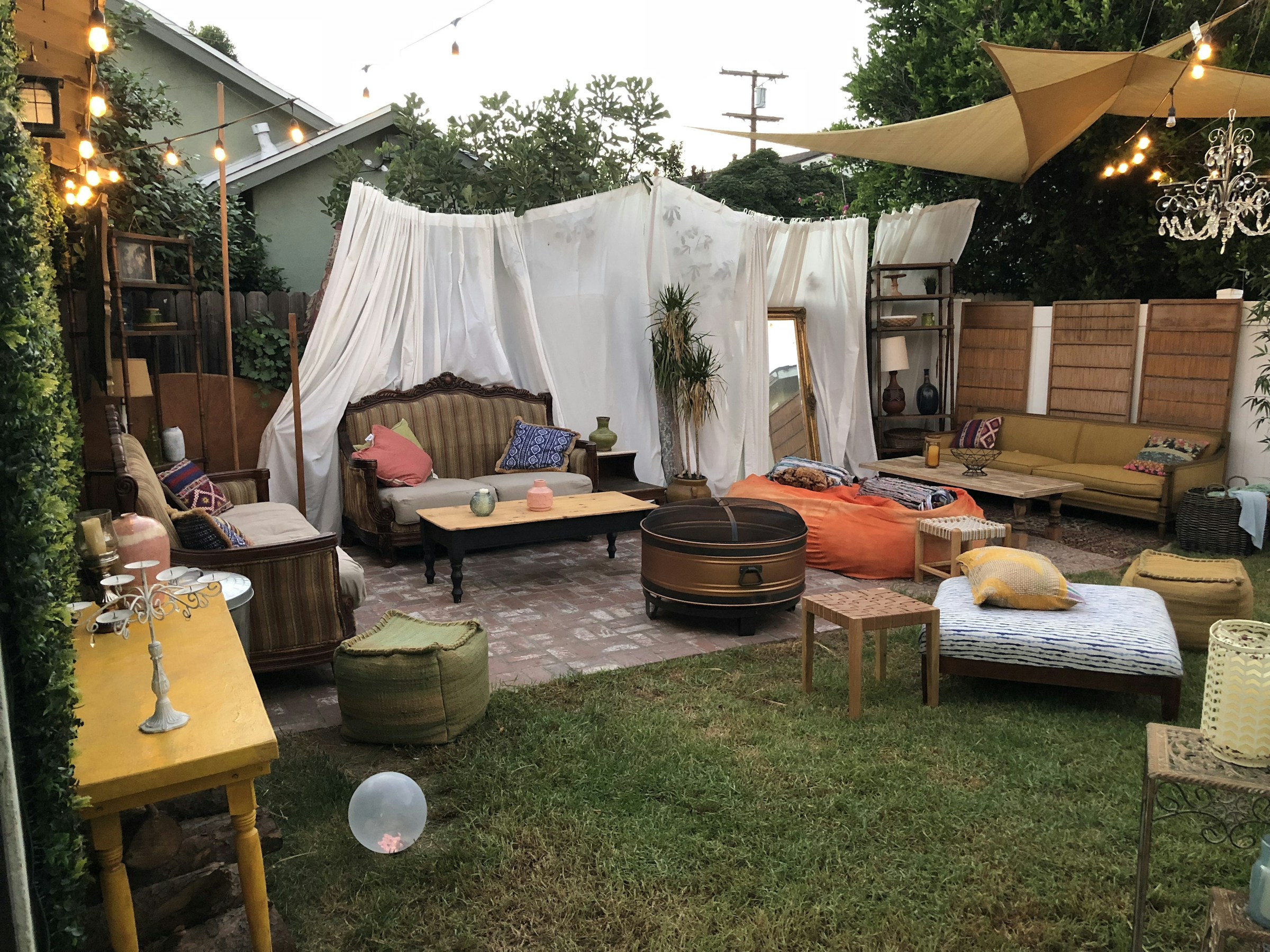
You won't see most of them. Not because the inquiries aren't there. Because your funnel was built for a Tuesday lunch order, not a Saturday-afternoon-tent-in-the-backyard order.
Why the math is so good
Pull up the last graduation party your kitchen sent out (if you can find it in your POS, which is its own problem). It's a different animal from a regular ticket:
- Average headcount: 50–60 guests. Industry planning standard is one to one-and-a-half servings per guest, so you're cooking for 75–90 portions.
- Average ticket: $1,128. That's $18.81 per head at the CaterCow benchmark for 60 guests. Premium packages run $25–$35 per head.
- Margin profile: 8–12 points higher than dine-in. No server tipping, lower comp rate, prep is batched, deliveries cluster on Saturdays and Sundays so you can route them.
- Reorder rate: 70% within 30 days, with follow-up. Olo's catering data tracks catering guests who become repeat catering customers — if the operator follows up after the event. Most operators don't.
You're not selling food. You're selling a five-to-eight-x ticket that opens a corporate, holiday, and family-event pipeline behind it. The graduation order is the audition. The Christmas-party order, the office-lunch order, the engagement party — those come after, if you don't fumble the first one.
What independents get wrong
Three problems show up over and over when we audit independents' catering funnels.
1. There is no graduation SKU.
Your catering page (if you have one) lists "trays," "platters," and a phone number. A family planning a graduation party for 60 people doesn't want to architect a meal. They want to click Graduation Package — 50 guests — $X — submit deposit. If you don't have a package, you don't exist on Google for graduation queries, and you lose the lead before they ever spoke to you.
2. Response time is 18 hours. The window to win is 1 hour. Catering-industry research from Lavu and others is consistent: respond to a catering inquiry inside one business hour and your conversion roughly doubles versus a same-day response. Outside 24 hours, you might as well not have responded. The family planning the party will move on to the next caterer — usually a chain with an automated confirmation engine — within a single afternoon.
The hard part is that "one hour" is hard to deliver when you're on the line plating Saturday dinner. The fix isn't human; it's automation.
3. There is no follow-up after the event.
The party happens. The trays come back (or don't). The relationship ends. The 70-percent reorder-within-30-days number from Olo only happens when you trigger a follow-up — a thank-you, a satisfaction check, an offer for the next event the family is already planning. Most independents send nothing. The chains send three touches.
The playbook (do this in 24 hours)
If you don't have a graduation-catering SKU live this weekend, you're missing this season. Here is the smallest viable version you can ship today.
1. Build a three-tier graduation SKU.
Three packages, priced for instant decision:
- Backyard 25 — $400. Serves 25. Two mains, two sides, salad, dessert tray, paper goods. Pickup-only.
- Open House 50 — $800. Serves 50. Three mains, three sides, two salads, dessert assortment, paper goods, drink station setup. Pickup or local delivery.
- Big Day 100 — $1,200. Serves 100. Four mains, four sides, two salads, dessert station, full setup with chafers, paper goods, drink station. Local delivery + setup included.
The names matter. "Backyard 25" is what the parent is searching for. "Catering Package A" is what the chain is searching for. Win the parent.
2. Put a real form on your site, not a phone number.
A six-field form: name, email, phone, event date, headcount, package. Submit fires an instant email confirmation to the family and a Slack/SMS alert to the operator. If you don't have the engineering staff to build that, your platform should be doing it for you. (KitchenRush's Catering module ships this out of the box, but the rule applies regardless of who you use: the form is the funnel.)
3. Lock in a 2-week minimum lead time on the form.
Thomas's Catering and most caterers recommend 2–4 weeks. You can be more generous, but don't go below 14 days. Below 14 days, your kitchen can't prep, you can't run the lead through your normal scheduling, and the chance of a quality miss is too high. A miss on a graduation party is the worst possible miss — every guest at that party becomes a negative word-of-mouth event.
4. Auto-confirm in 30 minutes — or less.
The instant the form submits, the family gets a confirmation email that says: "We received your request. A team member will contact you within 30 minutes during business hours, or first thing in the morning if you submitted overnight." Even if your team is genuinely an hour away, the family knows they're in the system. Most chains do this. Most independents don't.
Then deliver on the 30 minutes. Put the alert on a phone that's not in the kitchen.
5. Follow up 48 hours after the event.
One email. One question: "How did it go?" If the answer is good, an automated request goes out two days later inviting them to leave a Google review and giving them a 15% off code for their next catering event. If the answer is bad, the operator personally calls.
That single follow-up loop is what flips a one-time graduation order into a repeat customer over the next twelve months. The 70-percent reorder-within-30-days number depends on it.
What this looks like by the numbers
Run the math against a typical independent doing $1.2M a year.
- Average dinner ticket: $42
- Graduation Package "Open House 50": $800
- Each grad order = 19 equivalent dinner tickets
- Conservative target: 8 graduation orders in the 4-week window = $6,400 incremental revenue at catering-margin (~30% vs dine-in's ~12% margin)
- Margin contribution: ~$1,920 in the four weeks, without adding a single seat to the dining room
Eight orders. Most independents within a 5-mile radius of a high school could clear that in a single Saturday during the first week of June if they had a SKU live. They don't.
The deeper game
Graduation season is a four-week training exercise. The same SKU template, the same auto-confirmation flow, the same follow-up loop is exactly what you'll run for Father's Day (June 15), Fourth of July, summer corporate events, back-to-school teacher appreciation, and Q4 holiday parties. The SKUs change. The funnel is identical.
The operators who win the next twelve months are the ones who ship a catering funnel that runs without their hands on it. The window opens this weekend. The first batch of inquiries is already in the wild.
You have 24 hours.
Sources: NRF Graduation Spending Survey, Olo Catering Industry Data, CaterCow Graduation Catering Guide, Lavu Catering Lead Generation Research, PeopleLinx Catering Lead Value, Curate 2026 Catering Trends, Expert Market Research US Catering Market, Thomas's Catering Estimation Guide.