Grocery Meals Are Stealing Dinner
By KitchenRush Editorial
Last updated: June 22, 2026
Prepared grocery meals are no longer just a backup plan. They are competing for the same weeknight dinner occasion that used to belong to nearby restaurants. A guest leaves work tired, passes a grocery store, sees a ready-to-eat meal that feels fast and predictable, and decides not to search for a restaurant at all.
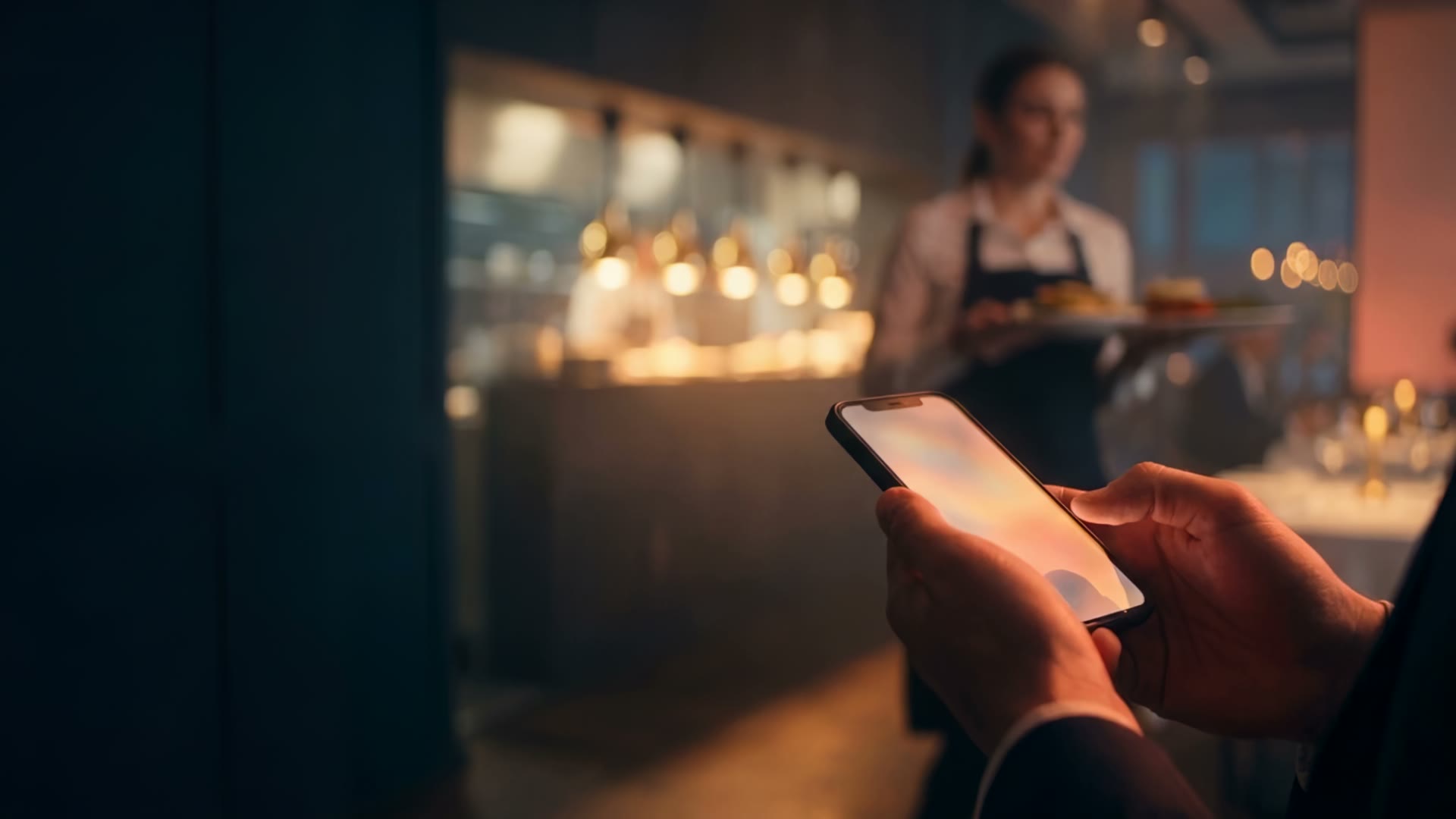
That is the part independent operators should pay attention to. The threat is not only another restaurant across town. It is the convenient meal that wins before the guest opens Maps, Instagram, a delivery app, or your website.
Business Insider covered grocery ready-to-eat meals today as a serious restaurant substitute, with prepared foods directly replacing restaurant orders for a meaningful share of consumers. The same pressure shows up in broader 2026 restaurant signals: guests still want restaurants, but they are sharper about value, speed, and whether the occasion feels worth it. National Restaurant Association forecasts still point to enormous industry demand, but that demand is not automatic. It has to be captured.
For an independent restaurant, the answer is not to become a grocery store. The answer is to make the restaurant's weeknight offer just as clear, just as easy to act on, and more worth remembering.
The guest is comparing occasions, not categories
Most owners think about competition by category: the burger place, the pizza shop, the fast-casual chain, the delivery app, the restaurant with the bigger patio. Guests think in occasions.
Tonight's question is simpler:
- What can feed the table?
- How fast can I get it?
- Will it feel worth the price?
- Can I trust the path?
- Will I regret the friction?
Prepared grocery meals win when they answer those questions faster than a restaurant does. They are visible in the aisle. The price feels obvious. The pickup path requires almost no thought. For a busy parent, a tired office worker, or a young guest watching spending, that can be enough.
Restaurants still have stronger advantages: hospitality, freshness, flavor, local identity, and the feeling of choosing something from the neighborhood instead of a shelf. But those advantages have to show up before the guest has already decided.
Weeknight value needs a visible path
Many independent restaurants already have weeknight value. The problem is that the value is not packaged clearly enough.
Maybe the owner has a family-size takeout option, but it is buried on the menu. Maybe the staff knows which add-ons make dinner easier, but the online order path does not suggest them. Maybe there is a strong Tuesday offer, but it only appears in a story that disappears. Maybe regulars know the restaurant is fast, but new guests cannot tell from the Google profile, website, or social feed.
That is a fixable operations problem.
A weeknight demand playbook should make the offer easy to understand in seconds:
- What is the meal occasion?
- Who is it for?
- What does it solve tonight?
- Where does the guest order?
- What happens after the order?
The offer does not have to be a discount. In fact, constant discounting trains guests to wait. Better weeknight value can mean a bundle, a faster pickup promise, a clear add-on, a limited-time dinner path, a family-size option, or a direct-order benefit that keeps the restaurant from paying unnecessary marketplace fees.
Direct ordering is where the margin compounds
If grocery prepared meals are winning because the decision is easy, restaurants need to make their owned path easier too.
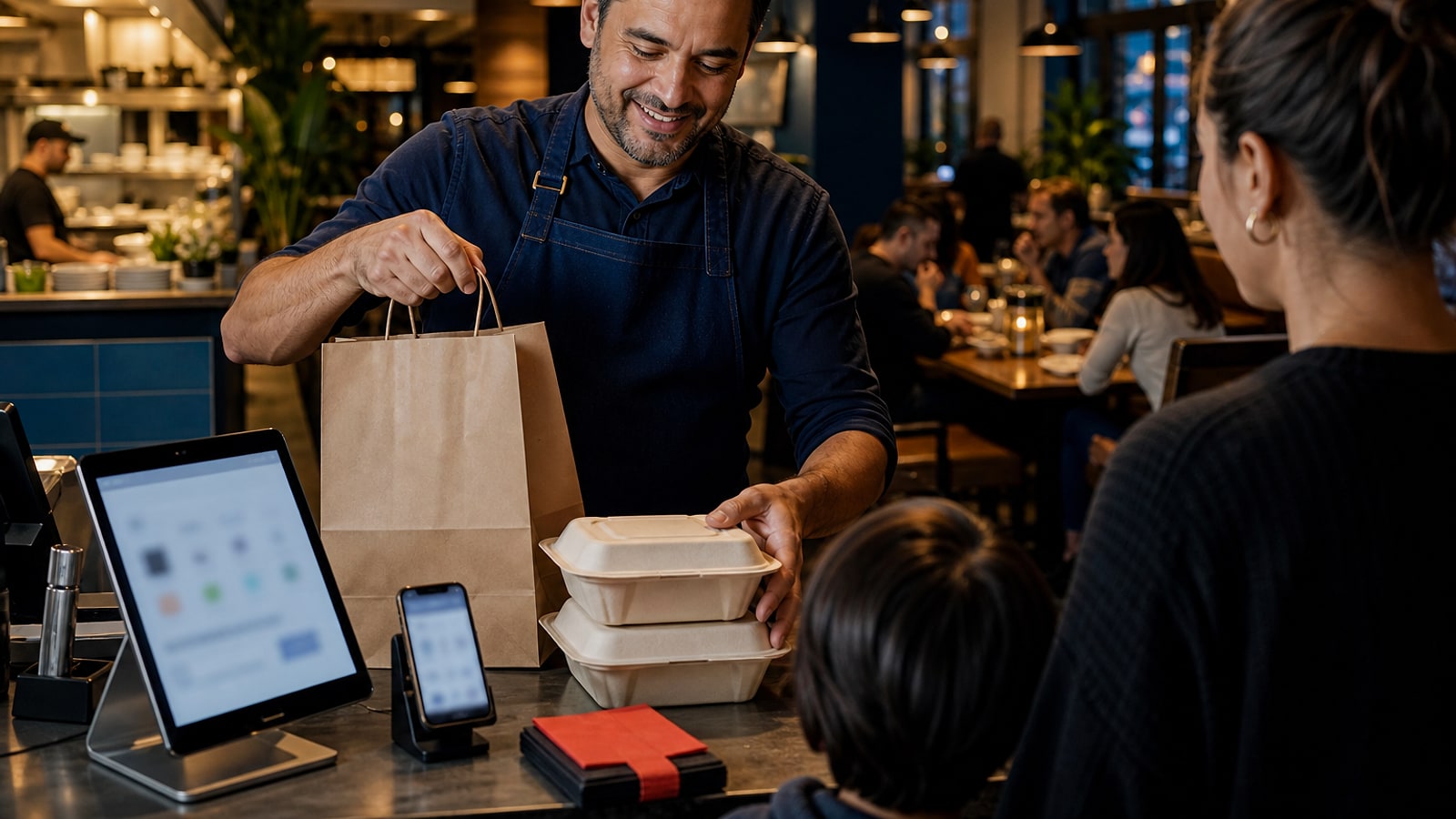
That starts with the direct-order link. The link should not be hidden behind old website navigation, a stale social bio, a third-party button, or a Google profile that routes the guest somewhere expensive. When a guest is choosing dinner, every extra tap is a tax on the sale.
Direct ordering also changes what happens after the order. A marketplace order can bring revenue, but it often keeps the relationship at a distance. An owned order can create a follow-up path: a thank-you, a review ask, a reorder reminder, a soft-day offer, or a loyalty moment that brings the guest back next week.
That is the difference between a transaction and a local demand loop.
Make one campaign do five jobs
Independent owners do not need another disconnected marketing chore. They need one weeknight campaign that moves through the channels guests actually check.
A practical loop looks like this:
- Choose one weeknight occasion, such as easy family pickup, late office dinner, or rainy-day comfort.
- Build one direct-order path with the offer, add-ons, and pickup expectations clear.
- Update Google Business Profile with a photo, post, and correct ordering button.
- Publish a short social post or Reel that shows the real service moment.
- Send a follow-up to recent guests who are most likely to reorder.
- Track orders, reviews, repeat visits, and the daypart that moved.
The work is not complicated. The hard part is keeping it connected while the restaurant is already busy.
Where KitchenRush fits
KitchenRush helps independent restaurants turn that scattered weeknight work into one operating rhythm. The owner should not have to rebuild the same offer across social, Google, email, direct ordering, and guest follow-up by hand every time demand softens.
The platform is designed around the jobs that make local demand repeatable: visibility, direct ordering, guest messaging, reviews, content, and performance signals. That matters because the weeknight dinner decision is happening quickly. If the restaurant's offer, link, and follow-up are disconnected, the grocery aisle can win before the restaurant has a chance.
Prepared meals are a real competitor. But restaurants have a stronger story when the path is clear. Make the offer visible. Keep the order direct. Follow up while the guest still remembers why they chose you.
FAQs
Are grocery prepared meals really a restaurant competitor?
Yes. They compete for the same dinner occasion, especially when guests want speed, predictability, and a lower-friction choice. Restaurants should treat them as occasion competition, not just retail competition.
Should restaurants discount to compete with grocery meals?
Not by default. Better value can mean a clearer bundle, faster pickup, a stronger add-on, or a direct-order benefit. Constant discounting can weaken margin and train guests to wait for deals.
What is the best first move for an independent restaurant?
Pick one weeknight occasion and make it easy to act on everywhere: Google profile, website, social, direct ordering, and follow-up. The goal is one clear path, not five disconnected posts.
How does KitchenRush help with weeknight demand?
KitchenRush connects local visibility, direct ordering, guest follow-up, content, and performance signals so owners can run repeatable demand plays without stitching together separate tools.
Build the weeknight loop
KitchenRush helps independent restaurants turn local attention into direct orders and repeat guests. See how the system works at https://kitchenrush.app.
Visual version