
The Prep List Should Start With Demand Signals
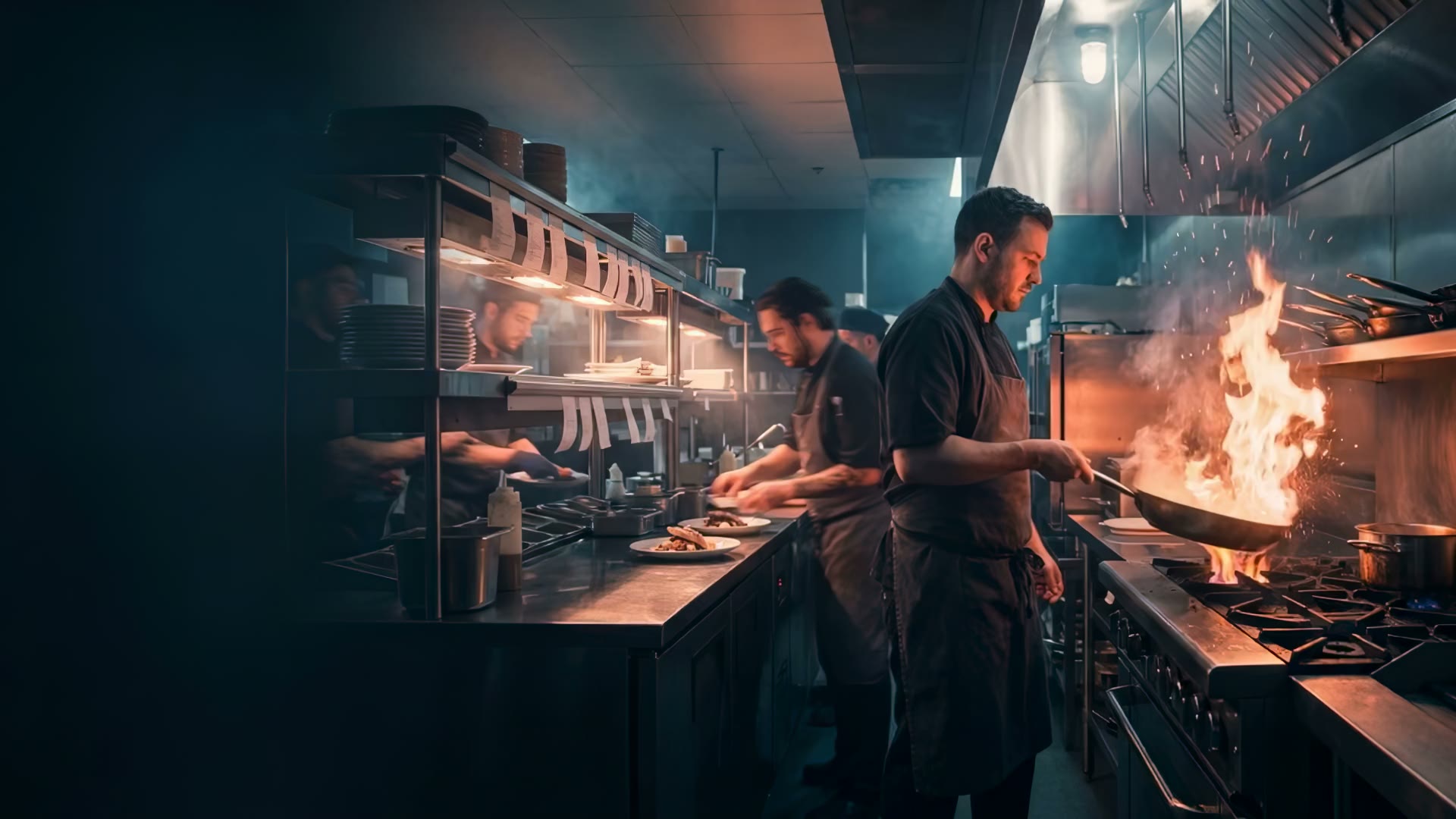
The most expensive restaurant decisions are often made before the doors open. How much to prep. Who to schedule. Which offer to push. Whether to expect a quiet Tuesday or a surprise rush. Those decisions shape labor cost, food cost, wait times, review quality, and whether the team spends service serving guests or correcting guesses.
For years, many independent operators treated forecasting as something only chains could afford. That is changing. The useful version of forecasting does not require a giant command center. It starts with a simple habit: look at demand signals before the week starts, then turn those signals into prep, staffing, offers, and follow-up.
The week is already leaving clues
Demand rarely appears from nowhere. It builds in small signals. Online orders rise for a certain daypart. A neighborhood event changes traffic. Rain changes delivery behavior. A social post gets saves. A Google update gets calls. Guest messages ask the same question. A review mentions a dish or experience more than usual. A planned offer shifts what people are likely to order.
Each signal is useful. Together, they become a better weekly plan.
Gut feel breaks under margin pressure
Experienced operators have strong instincts, and those instincts matter. The problem is that 2026 conditions make the margin for error smaller. Over-prep ties up cash and creates waste. Under-prep loses sales or slows service. Understaffing turns demand into stress. Overstaffing drains margin on quiet shifts.
The answer is not to replace operator judgment. The answer is to give that judgment better inputs before the scramble begins.
Forecasting is becoming practical
Restaurant operations research is pointing in the same direction: labor optimization, sales forecasting, inventory forecasting, and waste detection are top priorities because they affect daily decisions. Operators are not looking for novelty. They are looking for clearer choices that show up quickly in labor, inventory, and service consistency.
For independents, the practical starting point is a weekly rhythm:
- Review the demand signals.
- Choose the offer or content push.
- Prepare the team for likely daypart shifts.
- Adjust prep before purchasing and production.
- Follow up with guests while the week is still active.
That rhythm is small enough to run every week and powerful enough to reduce reactive management.
Marketing and operations should share one plan
A slow-night offer is not only a marketing decision. It changes prep, staffing, ordering, and guest expectations. A local event post is not only a content decision. It changes when people may call, click, or walk in. A review push is not only reputation work. It can reveal what guests are choosing and what the team should protect.
When marketing and operations live separately, the restaurant moves late. When they share one weekly plan, demand creation and demand readiness support each other.
Where KitchenRush fits
KitchenRush helps independent restaurants connect the local growth work that usually gets scattered: content cadence, Google visibility, guest inquiries, direct ordering momentum, reviews, offers, and follow-up. The point is not to bury the owner in more dashboards. The point is to turn signals into a weekly action rhythm the team can actually use.
Better prep starts with better visibility. Better staffing starts with knowing what the week is likely to ask of the team. Better hospitality starts when managers are not spending service recovering from avoidable surprises.
See KitchenRush in Action
Start planning the week before the rush reaches the door. KitchenRush helps independent restaurants connect local demand signals to clearer weekly action.
FAQs
What are restaurant demand signals?
Demand signals are early indicators of likely guest behavior, including online orders, local events, weather, search activity, guest messages, reviews, social saves, and planned offers.
Is forecasting only useful for large restaurant groups?
No. Independent restaurants can start with a simple weekly rhythm that combines known local events, order patterns, planned promotions, and guest communication.
How can demand forecasting reduce waste?
Better forecasts help managers align prep and purchasing with expected demand instead of relying only on last week or gut feel.
How does KitchenRush help with weekly planning?
KitchenRush gives owners a simpler way to connect local visibility, content, guest follow-up, offers, and direct demand so weekly actions are easier to plan and repeat.
Visual version