Restaurant Social Posts Should Lead to Direct Orders
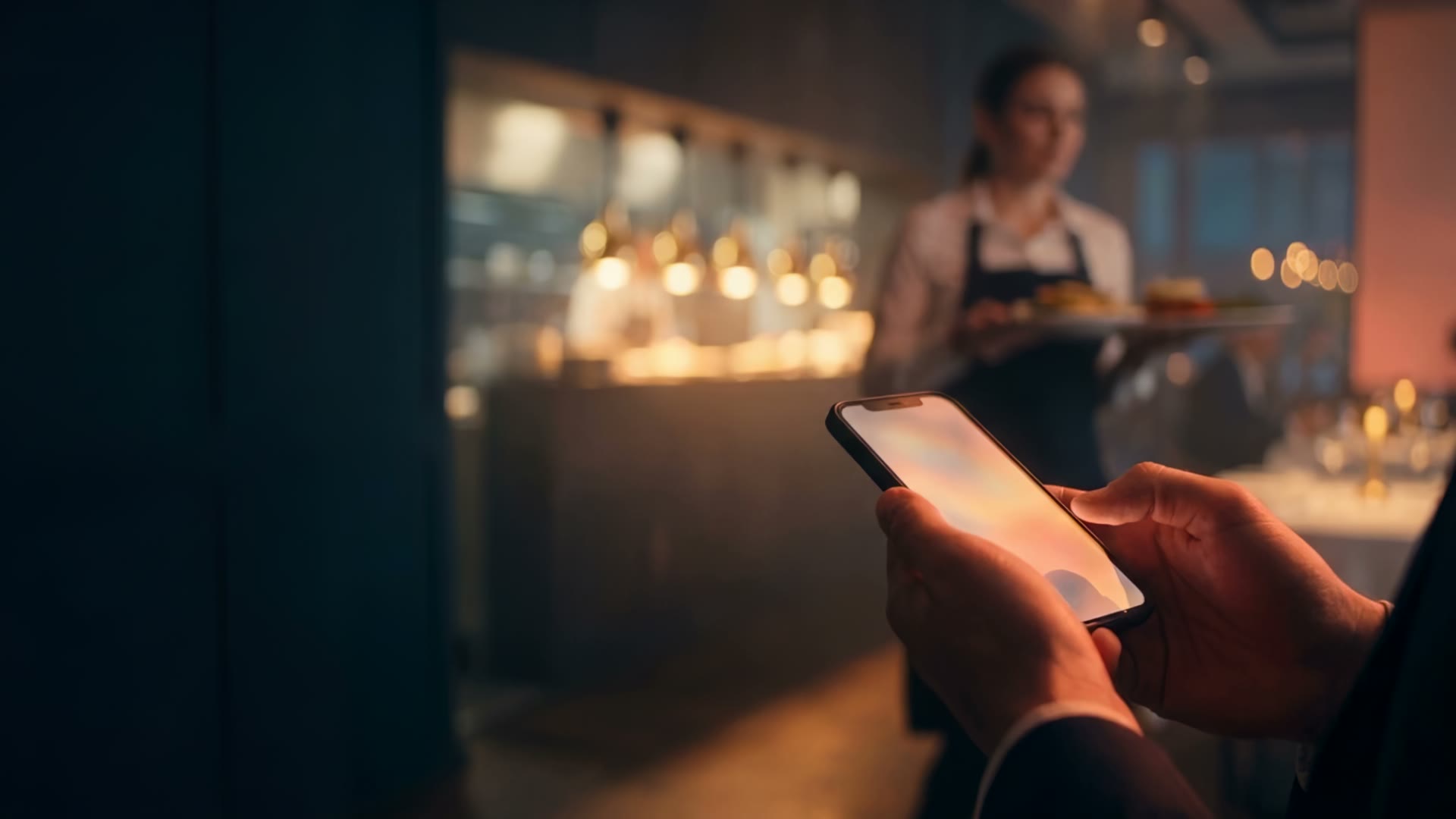
Short-form reach is useful, but only when it creates a path. A restaurant can earn views, saves, comments, and story replies all week and still lose the sale if the guest has to hunt for the menu, search a third-party app, or send a message nobody has time to answer during service.
Social Attention Needs A Checkout Path
A social post can make someone hungry, but hunger fades fast. If the order path is not obvious, the guest may swipe away, open a marketplace, or pick a competitor with fewer steps. The better play is simple: every meaningful post should connect to the next action. View the menu. Claim the offer. Order direct. Join the list. Book the table.
Direct Orders Are More Than Margin
Direct ordering protects more than fees. It protects the guest relationship. When guests order direct, the restaurant can understand preferences, recognize repeat behavior, follow up after a visit, and build owned demand instead of renting attention over and over. DoorDash's 2026 restaurant report points to a blended guest journey where delivery customers also dine in. That only becomes useful when the restaurant can connect the dots.
The Marketplace Outage Lesson
Recent delivery-app disruption reminded operators that one channel is not a business plan. Third-party platforms can be useful demand sources, but restaurants need an owned fallback path that works when an app is expensive, crowded, or unavailable. The strongest restaurants do not abandon marketplaces. They use social, search, and direct ordering together so guests always have a way to act.
What The Direct Path Should Include
The path does not need to be complicated. A post should feature a clear item, occasion, or offer. The caption should name the action. The profile link should lead to the right menu or landing page. The order flow should work on mobile. The follow-up should invite the next visit, review, or reorder. If any of those steps are disconnected, the restaurant leaks demand.
How KitchenRush Helps
KitchenRush connects social publishing, direct ordering, guest data, and follow-up in one operating system for independent restaurants. Owners can publish content, route demand to the right action, see what guests do next, and turn a good post into a repeatable revenue path. The outcome is not just more content. It is a cleaner system for owning local demand.
The Owner Takeaway
Connect posts to orders. A restaurant does not need another disconnected marketing chore. It needs a simple operating rhythm that connects visibility, action, and follow-up before demand disappears.
Ready to make local demand easier to manage? See how KitchenRush helps independent restaurants publish, respond, order, and follow up from one place.
FAQs
Should every restaurant social post include an order link?
Every post with buying intent should include a clear next step, whether that is direct ordering, booking, joining a list, or viewing the right menu.
Are third-party delivery apps still useful?
Yes, but they should be one channel in a broader system. Restaurants still need direct ordering and owned guest follow-up.
What makes a direct-order post work?
A specific item or occasion, a short caption, a mobile-ready link, a simple offer, and a follow-up path make social demand easier to convert.
How does KitchenRush support direct ordering?
KitchenRush connects content, direct ordering, guest data, and follow-up so independent operators can turn attention into repeatable demand.
Visual version